Our Shul Print E-mail
Synagogues are the central institution that has held our people together regardless of where we have lived for the past two thousand years. Even during times of persecution when their very lives were threatened, our ancestors organized small yet powerful places where they could congregate for prayer and companionship. These synagogues gave them a sense of hope and community that helped us overcome what ever trials or tribulations faced us. In other places, during happier times, our synagogues were bolder, fancier places. They were the pride of their community, serving as a source of strength to all who entered.


During the times when the Jewish people lived in the Land of Israel, the primary House of Worship was the Holy Temple of Jerusalem situated where the Islamic Dome of the Rock stands today. The Temple was then the central place for the nation to gather in service of God. Here the Leviim (levites) sang songs of praise to the One God of Israel and the Cohanim offered the sacrifices in service to God. The Temple was a central focus as the House of God for all of Israel. To this day no matter where Jews find themselves in prayer they face in the direction of Jerusalem, in order to focus their prayers towards the place of the Holy Temple of Jerusalem. The function of the Temple in Jewish life was so important that, when the Holy Temple was destroyed by the Roman Legions, it would have been logical to assume that that would have been the end of the Jewish Religion and of the Jewish People as a thriving culture. But that is not what happened. During the two thousand years following the destruction of the Bet Hamikdash (Holy Temple) we developed synagogues that were “Mikdash Meaat” small sanctuaries that served as tabernacles taking the place of the central Holy Temple temporarily. Reminding to stay Jewish, stay connected to our ancestral ways and to remain connected to each other. In every place that Jews have lived, we have established these synagogues, and it is this institution that has held us together for so long.


In each community, the synagogue was known by different terms. Most synagogues are referred to by three different names; (1) Bet Hakeneset, The House of Congregation or Assembly, (2) Bet Hatefilah, The House of Prayer, or (3) Bet Midrash, The House of Study. Each of these names alludes to the functions of the synagogue. For some the synagogue is a place to meet others and get together as Jews. Some don’t come to pray. They come to see their friends and to spend time in a safe place being Jewish together. Others come to pray. They come to seek out the presence of God and to feel the warmth and familiarity of Jewish davening or tefilah. Others go to the synagogue to study, learning more about their heritage, and deepening their understanding of our Torah. They come to drink from the deepest wells of knowledge, knowing that Torah study enriches the meaning of life giving it direction and purpose like nothing other.


Each of the names of the synagogues was often preceded by the letters kuf, kuf (KK). This was an abbreviation for Kehila Kedosha or Holy Congregation. Because no matter what the intent of those who entered, that building, whether it was for camaraderie, prayer or study, it was deeply rooted in holiness and Jewish spirituality.


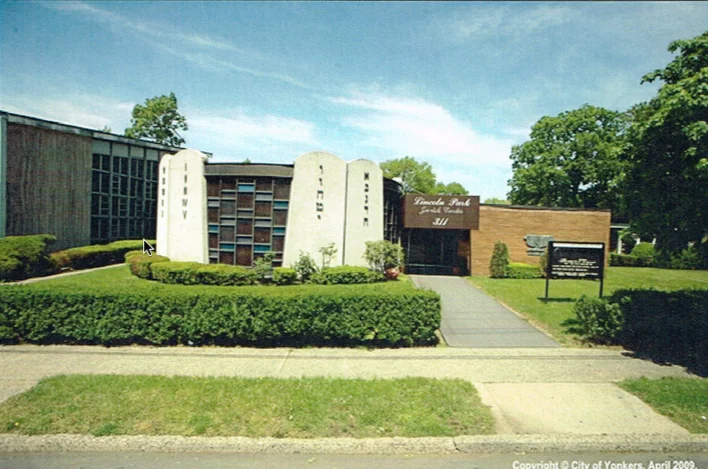
Our synagogue seeks to continue in these fine traditions. We seek to serve as a place of prayer, assembly or congregation and as a place of study and contemplation. We pray that all of those who enter our synagogue feel these connections that they came for and that they leave a little bit differently than when they entered. That when they leave our congregation that they feel strengthened and blessed by our friendship, by their connections to God and by their Torah study. AMEN.


Shabbat Schedule:

Jan 20, Friday, Mincha 4:15pm

Jan 21,Shabbat, Shacharith 9am, Parsha Vaera,Kiddush sponsored by Malkah Katz,Mincha after, Seudah Shlishit 4pm

Jan 22, Sunday, Morning Minyan 8:30am

Jan 23, Monday, Minyan 7am

Jan 26, Thurs, Minyan 7am

Jan 27, Friday,Mincha 4:15 pm

Jan 28, Shabbat,Shacharith, 9am, Parsha Bo,Kiddush sponsored by Wasserman and Schnitzler, Mincha after Kiddush,Class and Seudah Shlishit 4pm

Jan 29, Sunday, Mornining minyan 8:30am